Oil field Solutions
Low-altitude Security Environment of

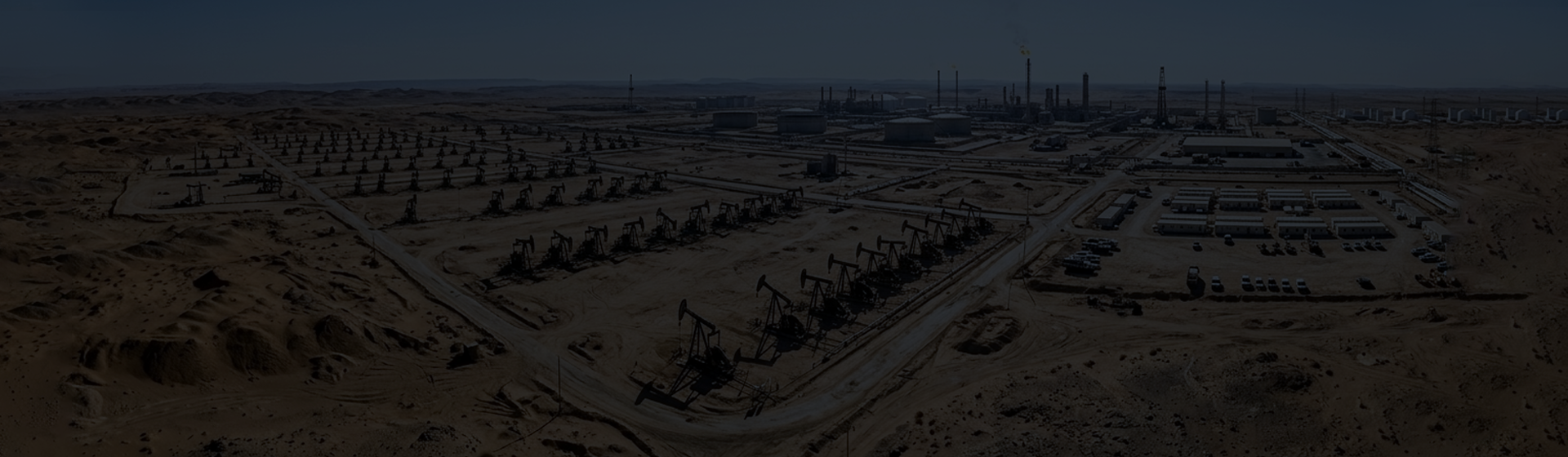
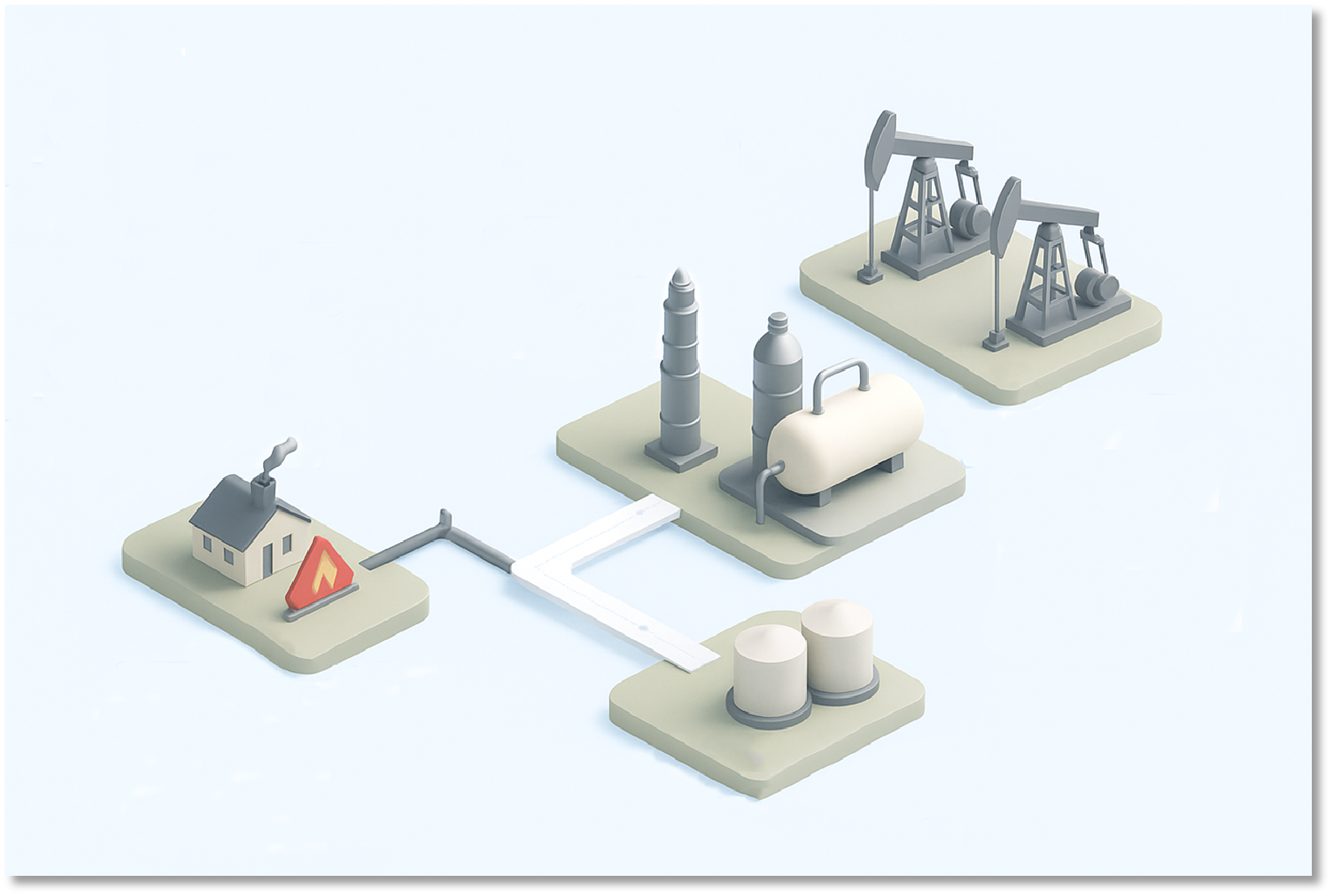
As oilfield development continues to grow in scale, the risk of low-altitude intrusions is becoming increasingly significant. Oilfield areas encompass various stages, including oil and gas exploration, refining, production, and pipeline transportation and storage. These facilities are widely distributed across complex environments and involve large quantities of flammable and explosive hazardous materials, posing an extremely high safety risk. The widespread adoption of civilian drone technology has led to an increase in low-altitude threats, including illegal intrusions, operational interference, and even terrorist attacks. Traditional security measures are no longer sufficient to ensure low-altitude safety, making it a critical issue in industry safety management.
Detection and Defense
The production area adopts a multi-technology prevention and control strategy with a Cellular network layout, which provides multi-level, three-dimensional protection for key facilities. The detection and defense systems are deployed alongside electro-optical equipment, with non-standard, customized equipment providing additional support.
The support area is equipped with a range of detection and defense equipment, forming a comprehensive defense network with no blind spots. This enhances the region's proactive deterrence and interference capabilities, providing effective control over security in the low-altitude airspace.
The warning area focuses on the full coverage of detection equipment and aims to build a comprehensive early warning barrier to enable the early detection and response to potential low-altitude threats.
These facilities are widely distributed across complex environments and involve large quantities of flammable and explosive hazardous materials, posing an extremely high safety risk.
Technical Proposal
According to the linear expansion logic of the area, the construction of a 700-square-kilometre medium-scale oilfield has increased the number of pieces of equipment, expanded the coverage area and enhanced the system’s interconnection capabilities, making it suitable for the daily prevention and control requirements of medium-scale oilfields.
Assuming the production area is 140km² of the total oilfield area of 700km² and that the cellular network is deployed, the effective coverage area of a single piece of equipment is approximately 90% of the theoretical area.
Assuming the support area is 80km² of the total oilfield area of 700km² and that the cellular network is deployed, the effective coverage area of a single piece of equipment is approximately 90% of the theoretical area.
Assuming the warning area is 480km² of the total oilfield area of 700km², the detection equipment is deployed for full coverage.
It is recommended to set up 6 tactical areas, each with 2 groups of patrols, equipped with portable and counter equipment. The Vehicle-Mounted system can be deployed around the key oil well group to Deal with multi-point intrusion scenarios.
Connect with us
Ready to Secure Your Low-Altitude Airspace?