The New Shape of C-UAS Procurement: Fast Trials, Small Orders, Open Systems
Sep 18 2026
In the first week of September 2026, three governments moved on counter-drone systems in ways that would have looked unusual a few years ago. Lithuania authorized a simplified fast-track procurement of short-range and passive radar, alongside small batches of interceptor drones from several vendors, with an explicit requirement that systems integrate with what is already in place and improve within two to eight weeks. New Zealand signed a compact deal worth under two million dollars for a deployable counter-drone capability, to be supplied, integrated, and supported by a regional partner. The United Kingdom rushed a radar into service to meet an urgent operational need, folding it into an existing architecture rather than buying a standalone box.
None of these announcements is large in isolation. Read together, they describe a procurement model that is changing, and the change matters for anyone who buys or sells counter-drone capability.
From Big Tenders to Fast Trials
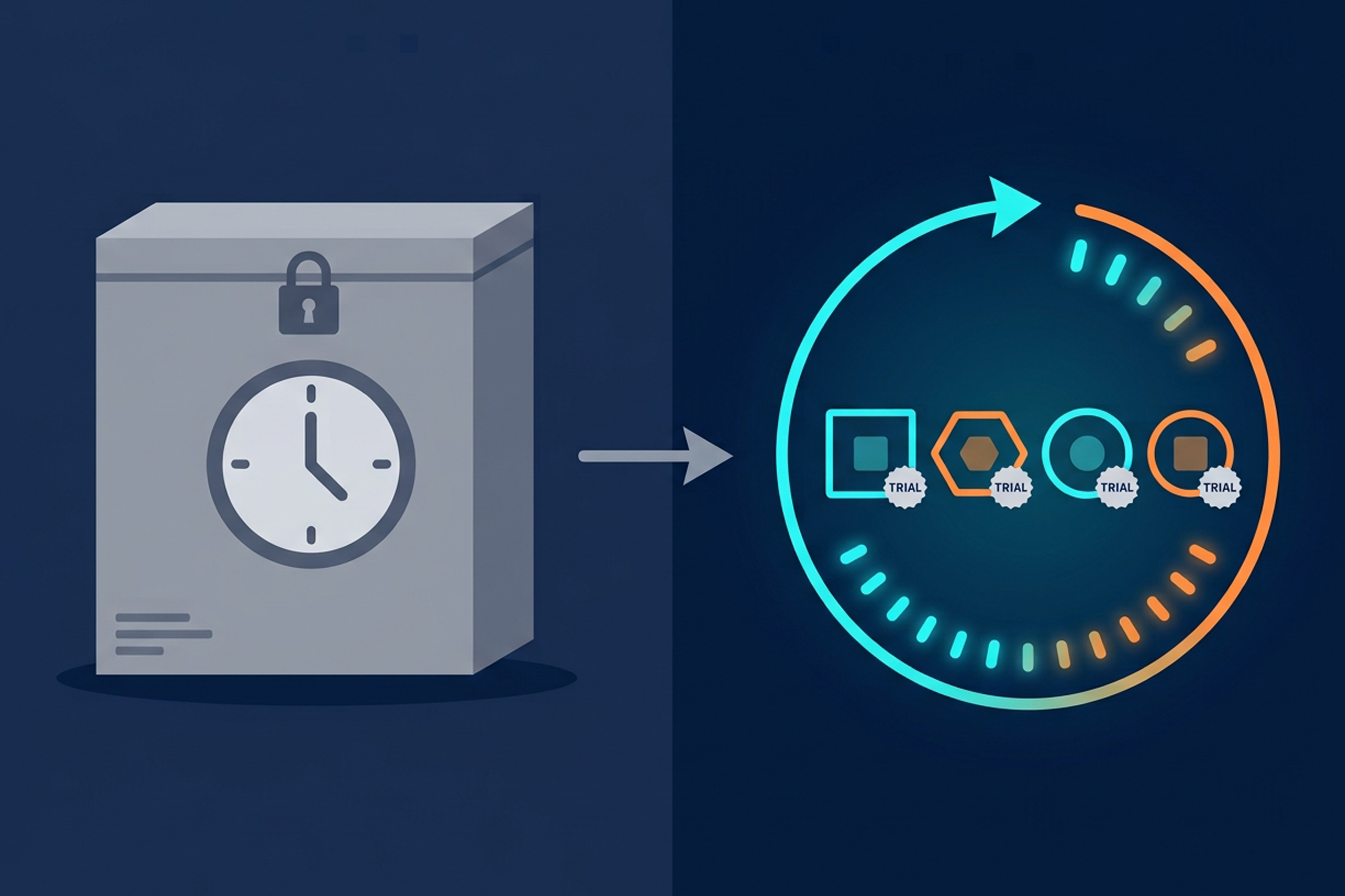
The classic model of buying security technology is the long program: a requirement, a competition, a multi-year contract, a fleet rollout. That model still exists, but the September announcements point to something faster running alongside it. Governments are increasingly willing to buy small, try multiple vendors at once, and let the field results decide what gets scaled.
The reason is the pace of the threat. A drone problem does not wait for a five-year acquisition cycle, and the systems built to answer it change year to year. Lithuania’s two-to-eight-week improvement window is the telling detail. It is not a deadline for delivery. It is a demand that the system evolve, which is a fundamentally different thing to ask a supplier for. The buyer is no longer purchasing a fixed product. It is purchasing a capability that has to keep up.
Small Orders That Carry Big Signal
A two-million-dollar contract is small by the standards of national defense. Its significance is not the money. It is the shape. New Zealand bought a deployable system, with spares, training, and local support bundled in, and it bought it through a regional partner who would handle integration and ongoing service. The model is a template that can be repeated, and the announcement hinted as much by pointing to a prior, similar arrangement in the region.
For suppliers, this is a different kind of opportunity than the big tender. The barrier to entry is lower, but the bar for support is higher. The buyer wants a system that a small team can deploy, a partner who can integrate and service it locally, and a path to training the people who will use it. Equipment parameters are only half the bid. The other half is the ability to actually deliver, support, and stand behind the system once it is in the field.
Open Architecture as the Tiebreaker
The United Kingdom’s move is the clearest signal of the third shift. It did not buy a radar to stand alone. It bought one to slot into an existing counter-drone architecture, where it would feed the wider picture of detection, tracking, and targeting. The radar was valuable precisely because it could be integrated, and quickly. This is the difference between buying a sensor and buying a node. A standalone sensor produces data that lives inside its own software, useful only to the operator standing at that one screen. A node produces data that joins a shared picture, useful to every operator who needs it. The September announcements are a series of votes for the node over the sensor, and the vote is decisive because integration is no longer a nice-to-have. It is the thing that determines whether a new acquisition makes an existing system stronger or just makes it bigger.
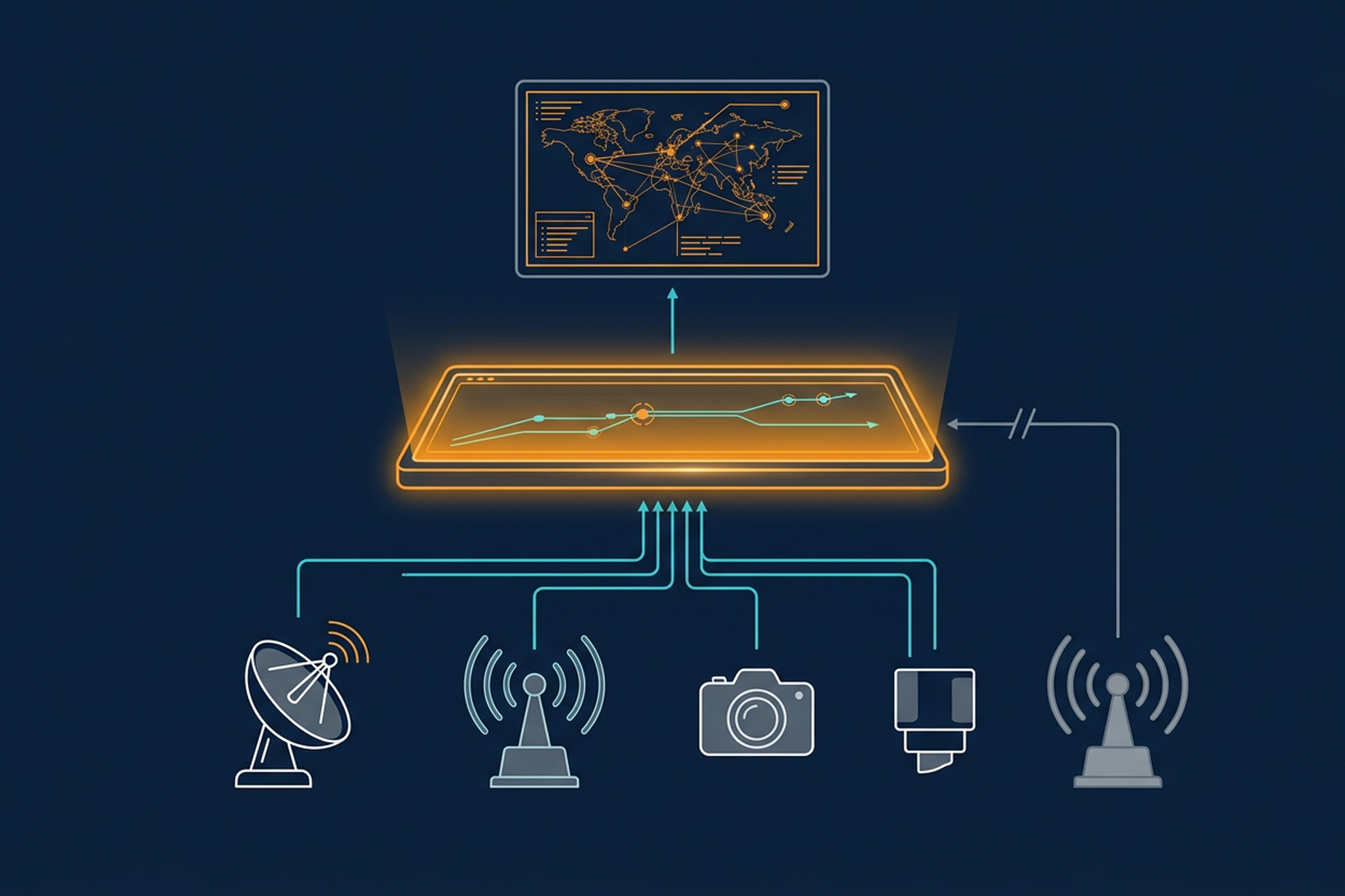
That is the open-systems argument, and it is becoming the tiebreaker in procurement. A buyer with an existing command-and-control layer does not want a sensor that speaks only to its own software. It wants one that plugs into the picture it already runs. For suppliers, this changes what the product is. The value is no longer only in the hardware. It is in the interface: the ability to hand its data to a shared command picture and to accept data from other sensors in return. A command-and-control platform such as CCS, and a protocol-level analysis and fusion system such as CRPCS, exist precisely because of this demand. They let a site fuse passive nodes, correlate tracks, and present one picture, regardless of whose hardware is feeding it.
What the New Model Asks of Suppliers
Three capabilities now travel together in the winning bid. The first is deployability: a system a small team can put in the field quickly, without a construction program. The second is integrability: open interfaces that let the system join an existing picture rather than create a new silo. The third is evolvability: a supplier who can improve the system in weeks, not years, as the threat and the buyer’s understanding of it change.
The DF Series of direction-finding sensors, the D5-B TDOA node, and the CCS command platform each answer a different part of that requirement, and they are designed around the same premise the September announcements made explicit: capability is built from modules that can be deployed, integrated, and updated independently. A supplier who sells a fixed box is selling against the direction of the market. A supplier who sells a deployable, integrable, evolvable system is selling into it.
The Bottom Line
The September announcements were easy to read as three small news items. They are better read as a single pattern, and the pattern is this: counter-drone procurement is moving from big, slow, fixed programs toward fast trials, small orders, and open systems. Buyers want capability they can try quickly, deploy without heavy infrastructure, integrate with what they already run, and improve as the threat evolves.
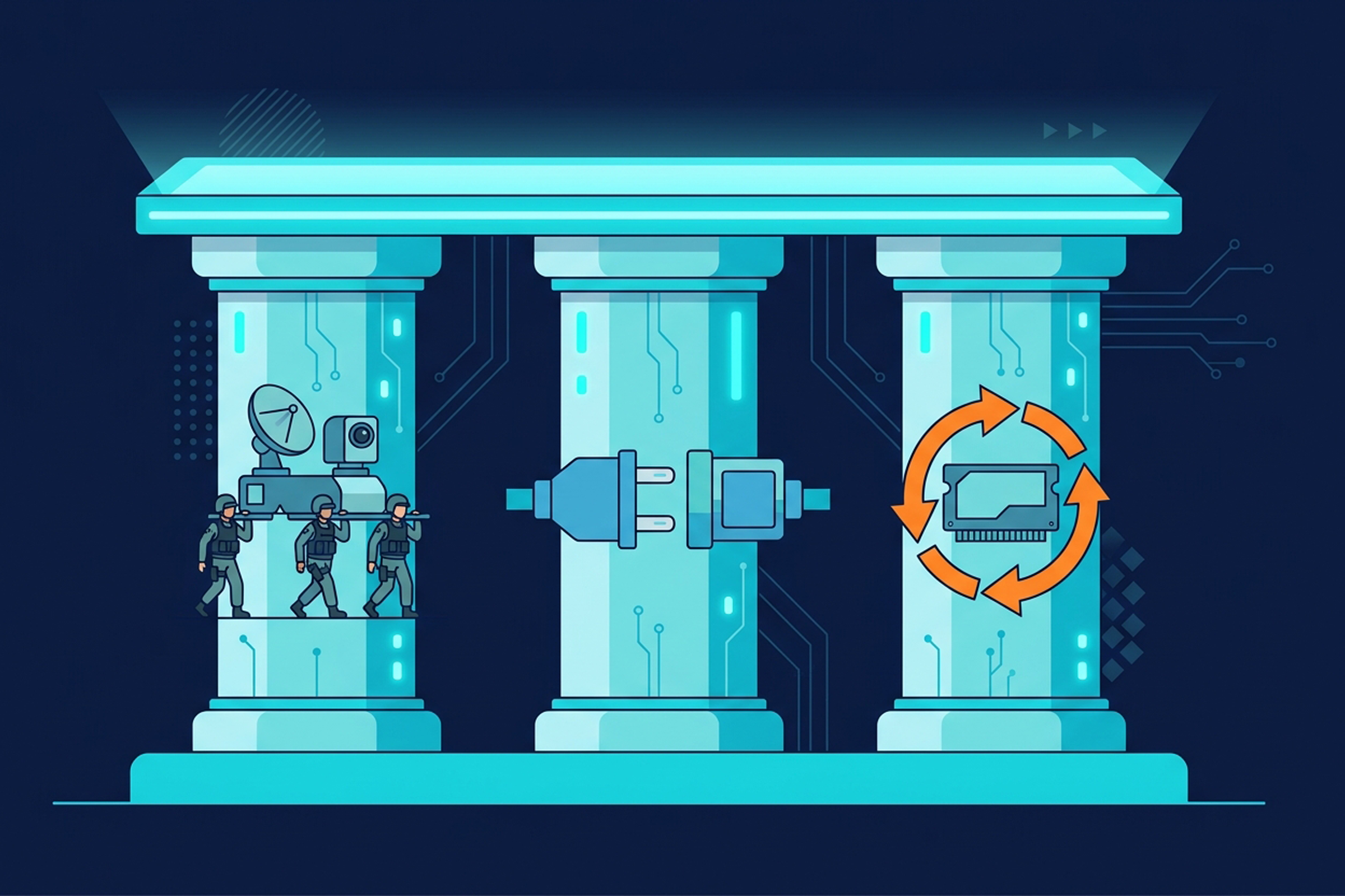
The suppliers who win in that model are the ones who stop thinking of their product as a finished object and start thinking of it as a module in a changing system. The market has already made its choice. The only question left is who builds to it.
Connect with us
Ready to Secure Your Low-Altitude Airspace?