Temporary Counter-Drone Coverage for Stadiums and Major Events | LZ TECH
Nov 13 2026
On 4 November 2026, Ondas announced two counter-drone contracts, including a portable Ranger system for a large European police customer for mobile detection, identification, tracking and response. The same week, a Colombian port city moved a drone and counter-drone procurement to final tender, with a four month delivery window, training, warranty and knowledge transfer written into the deal. Two announcements, two very different customers, and one shared shape: coverage that has to arrive quickly, work briefly and leave cleanly.
That is the signature of the temporary deployment, and it is a different engineering problem from a permanent installation, not a smaller version of one.
Why Temporary Is Not Just Small Permanent
A permanent site is bought once and lived with for years. It can justify a mast, a trench, a control room and a commissioning that takes weeks. A temporary requirement has none of that room.
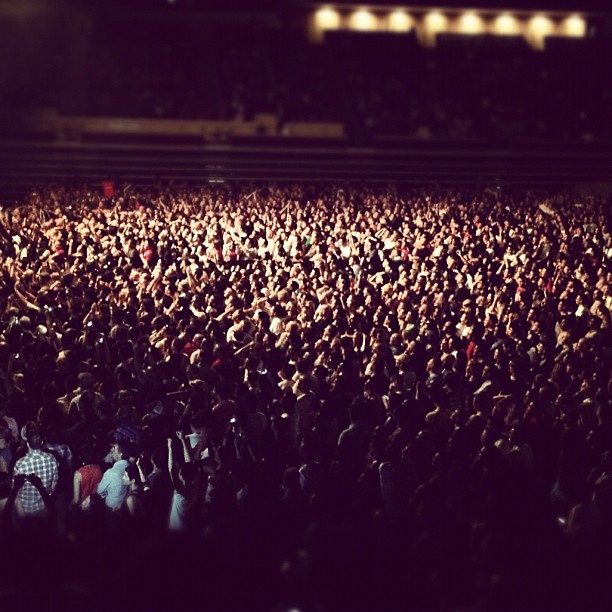
A stadium needs coverage for a final, a summit, a state visit, a season opener. The event is on a fixed date, the site is full of people, and the window to deploy is short. After the event, the equipment has to come down, the site has to return to normal, and the whole thing has to happen again somewhere else next month.
Three properties follow from that. The equipment has to be portable enough to arrive in a vehicle and stand up in hours. It has to record enough that the organisers can answer questions afterwards. And it has to be reversible, because a stadium will not keep a counter-drone mast on the halfway line once the crowd has gone home.
Consider what that means in practice. A final has a fixed kickoff time. The security team gets the site the night before, not the week before. Whatever cannot be stood up in a few hours simply does not exist for that event. There is no second chance, no extension, no quiet commissioning the day after. The deployment is either ready when the gates open or it is not there at all.
Portability Decides the First Day
A temporary deployment lives or dies on how fast it becomes useful, and that is decided by the form factor.
HD5 is a portable case unit that reads from 100 MHz to 6 GHz, carries its own screen and battery, and runs six to seven hours, with a 13.3 inch display and a weight under 14 kilograms. It is the kind of unit two people carry to a gate, stand on a table, and have reporting before the gates open. H3 Pro is the handheld end of the same job: a CRPC based terminal that names the model and serial, places the aircraft to about 3 metres RMS, tracks a dozen targets, and updates in seconds, from a device an operator carries on a walk around the perimeter.
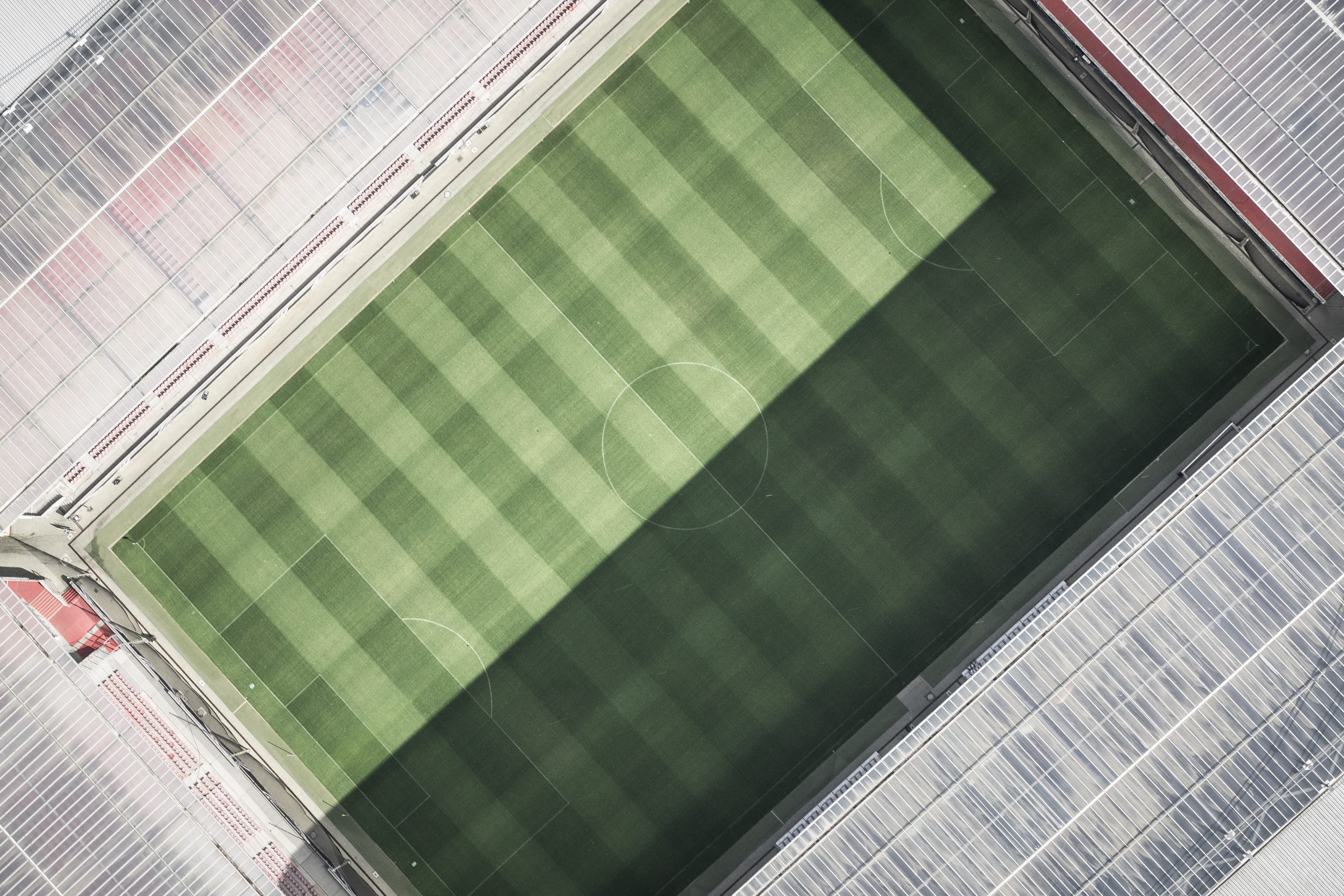
D5-B turns those portable views into a position. A few compact nodes placed around a bowl or a fan zone, each about 3 kilograms, give the event a real coordinate rather than a line of sight. A temporary site rarely has the time to align a full fixed network, so the gear has to tolerate being put down where there is space, not where the site plan says it should go.
The Evidence an Event Cannot Skip
A major event is a high exposure environment, and high exposure means questions afterwards.
If a drone was seen near the crowd, the organiser, the insurer and the authority will each want the same thing: what was it, where was it, when was it there, and what did the operator do. A temporary deployment that only showed a live picture on a screen during the event has answered none of that after the fact.
The record is the deliverable. CCS keeps the tracks, timestamps and classifications from the portable units so the event team can produce a report, hand it to a safety officer, and store it for the review that always comes. A temporary system without a record is a live view that evaporates when the power goes off, and an event cannot defend its decisions with a memory.
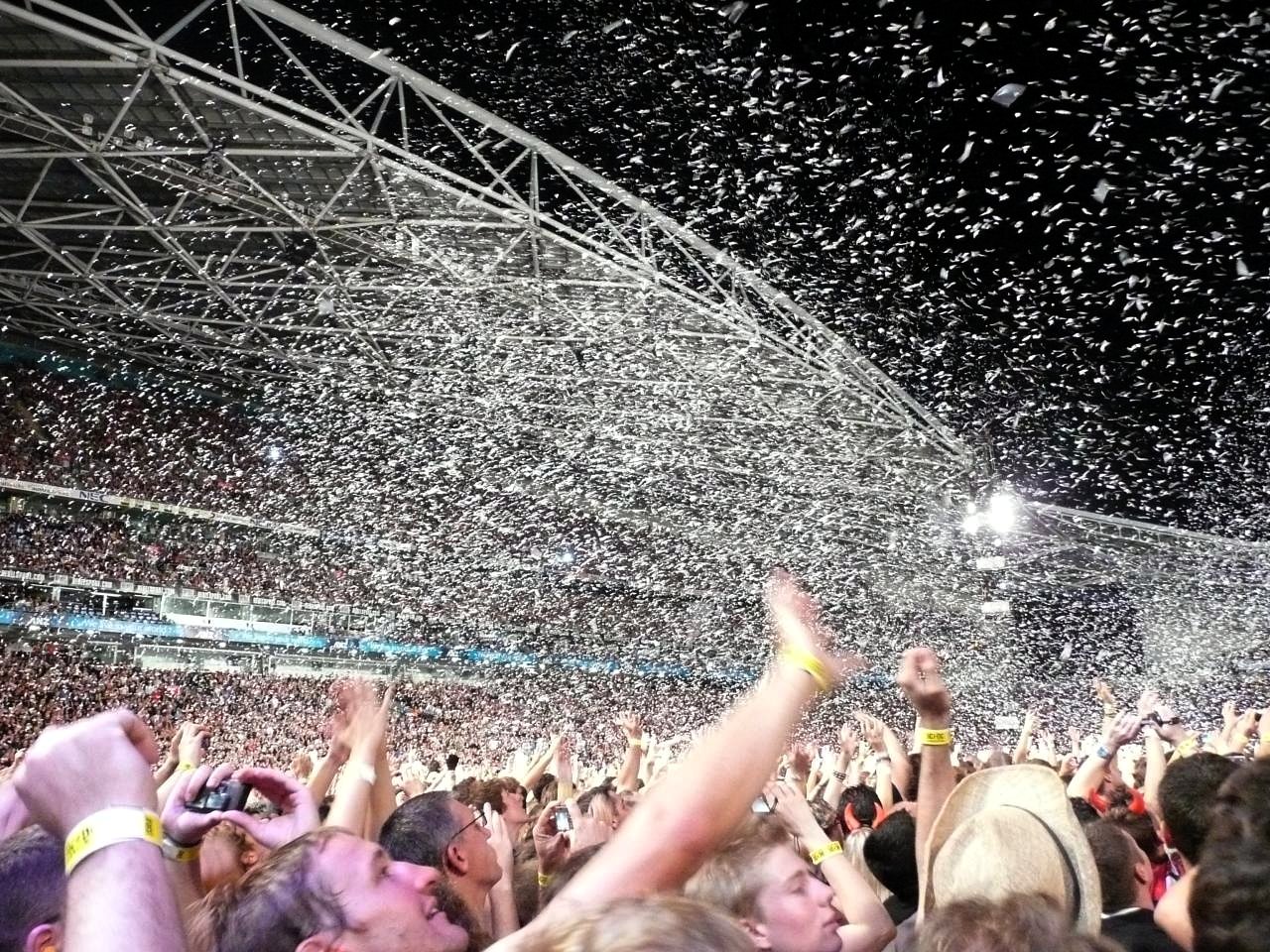
A drone seen over a crowd during a final is not a technical event, it is a public one. The next morning there will be a statement, a review and possibly a claim, and each will ask the same three things: what was it, where was it, and what did the team do. An event that can produce the track, the timestamp and the operator decision on paper is an event that can close the matter in a day. An event that cannot will spend a week reconstructing it from memory, and memory is not a record.
Buying the Whole Thing, Not the Box
The Colombian tender is worth reading for its shape as much as its price. A four month delivery, training, warranty and knowledge transfer are not extras bolted onto a product. They are the product, because a site that buys portable gear for a recurring event has to be able to run it without the supplier on site every time.
That is the difference between buying a demonstration and buying a capability. A team that is trained, has spares, knows the shutdown and setup routine, and can run the record keeping themselves is a team that can repeat the deployment for every event on the calendar. A team that was handed boxes is a team that will call the supplier the night before the next one.
The repeat matters more than the first event. A stadium that hosts ten fixtures a season, or a city that runs a summit every year, is not buying one deployment, it is buying a routine. The first event is where the kit proves it works. The second and third are where the routine proves it is owned, and the difference shows up in how little the supplier is called. A capability is measured by the events that run without a single call for help.
None of this means the temporary deployment stands alone. The same event may sit inside a city that already runs a permanent counter-drone network, and the portable kit has to join that picture rather than sit beside it. A temporary deployment that cannot hand its tracks to the existing command layer is a second system for the duration of a weekend, a second operator, a second screen, and a second chance for the two to disagree. The portable layer earns its place by extending the permanent one, not by replacing it, and the site that can merge the two gets a weekend of coverage that looks like the rest of the year, in one picture and one record.
What a Temporary Tender Should Ask
A buyer planning temporary coverage should ask four questions before it asks for a range.
How long from vehicle to first report. What does the record look like when the event is over, and who owns it. Can the same kit run the next event without the supplier on site, and how much of the training and support is transferable. And how cleanly does it come down, so the stadium is a stadium again on Monday morning.
Those four questions separate a temporary system from a permanent one more reliably than any spec sheet, because they are all about time, and time is the one resource a temporary deployment does not have.
Where LZ TECH Fits
We build the portable layer and the record that makes a temporary deployment repeatable. HD5 and H3 Pro bring the seeing to the gate in a case or a hand. D5-B turns it into a position. CCS holds the evidence and turns one weekend into a report, and it is built to be set up and torn down without leaving a footprint.
We would rather an event team own the routine than own the boxes, because a temporary deployment that only works when the supplier is present is not temporary, it is a loan.
The Bottom Line
A stadium does not need a permanent counter-drone installation. It needs coverage that arrives fast, sees in real time, records everything, and leaves without a trace, and it needs that same package again next month.
The buyer who specs for time, portability and evidence is the one who can run the next event without us. That is the outcome we build for.
Connect with us
Ready to Secure Your Low-Altitude Airspace?