How to Choose a Counter-Drone System: A Five-Step Guide | LZ TECH
Nov 20 2026
On 12 November 2026, ACI EUROPE published a resilience strategy that groups drone intrusions with bomb threats and cyber attacks as the risks European airports now have to manage together. The same week, Dublin closed a large temporary airspace around a summit, running a counter-drone unit alongside the protection and traffic teams. Neither announcement is about a product. Both are about how a counter-drone system fits into an organisation’s operations, and that is the thing a buyer should decide before comparing any spec sheet.
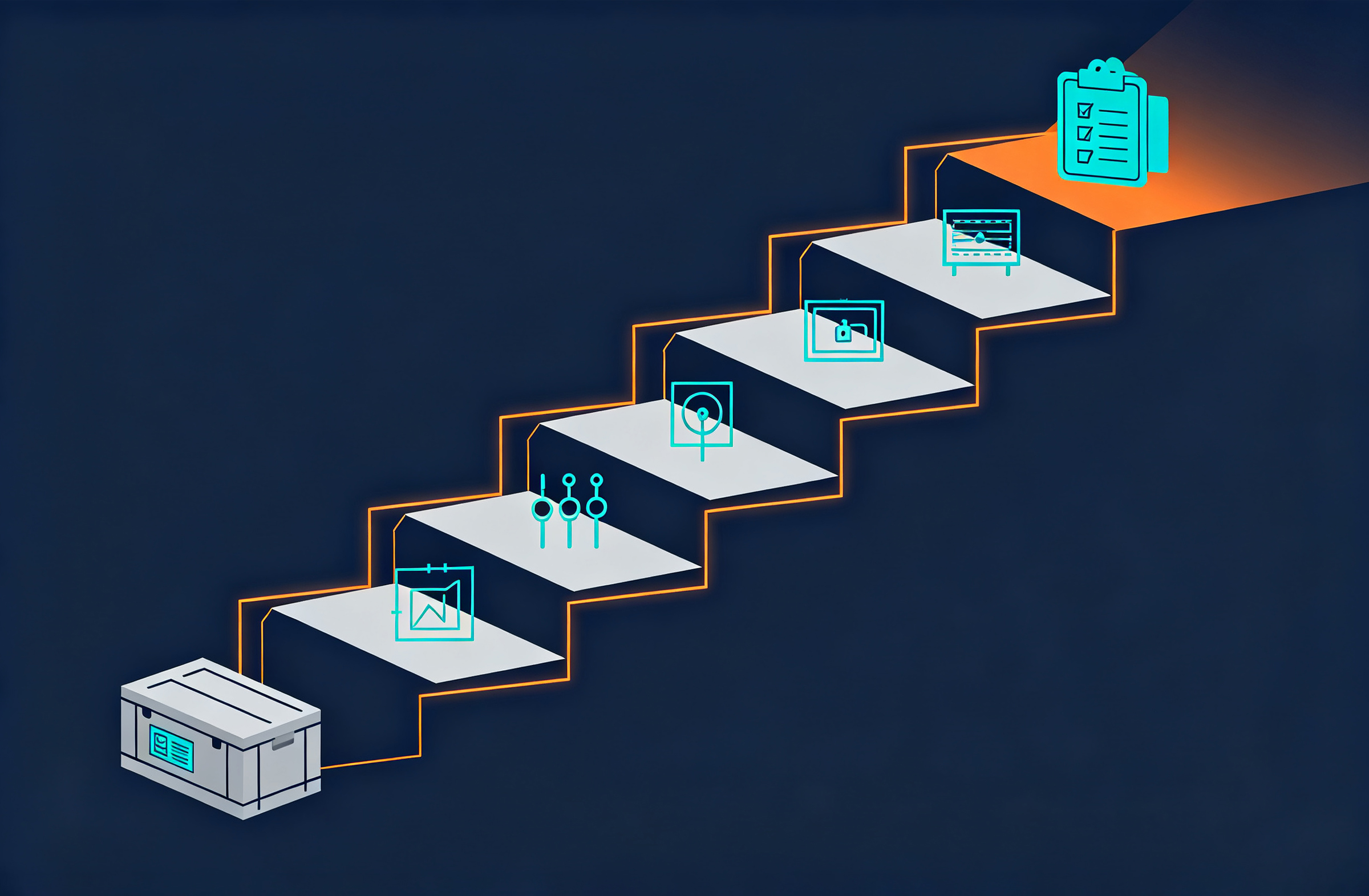
A counter-drone purchase fails or succeeds long before the equipment arrives. It fails when a site buys a technology it cannot use, a response it is not authorised to run, or a platform nobody will operate. It succeeds when the buyer works through five questions in order and lets the answers drive the specification.
Step One: Define the Threat and the Site
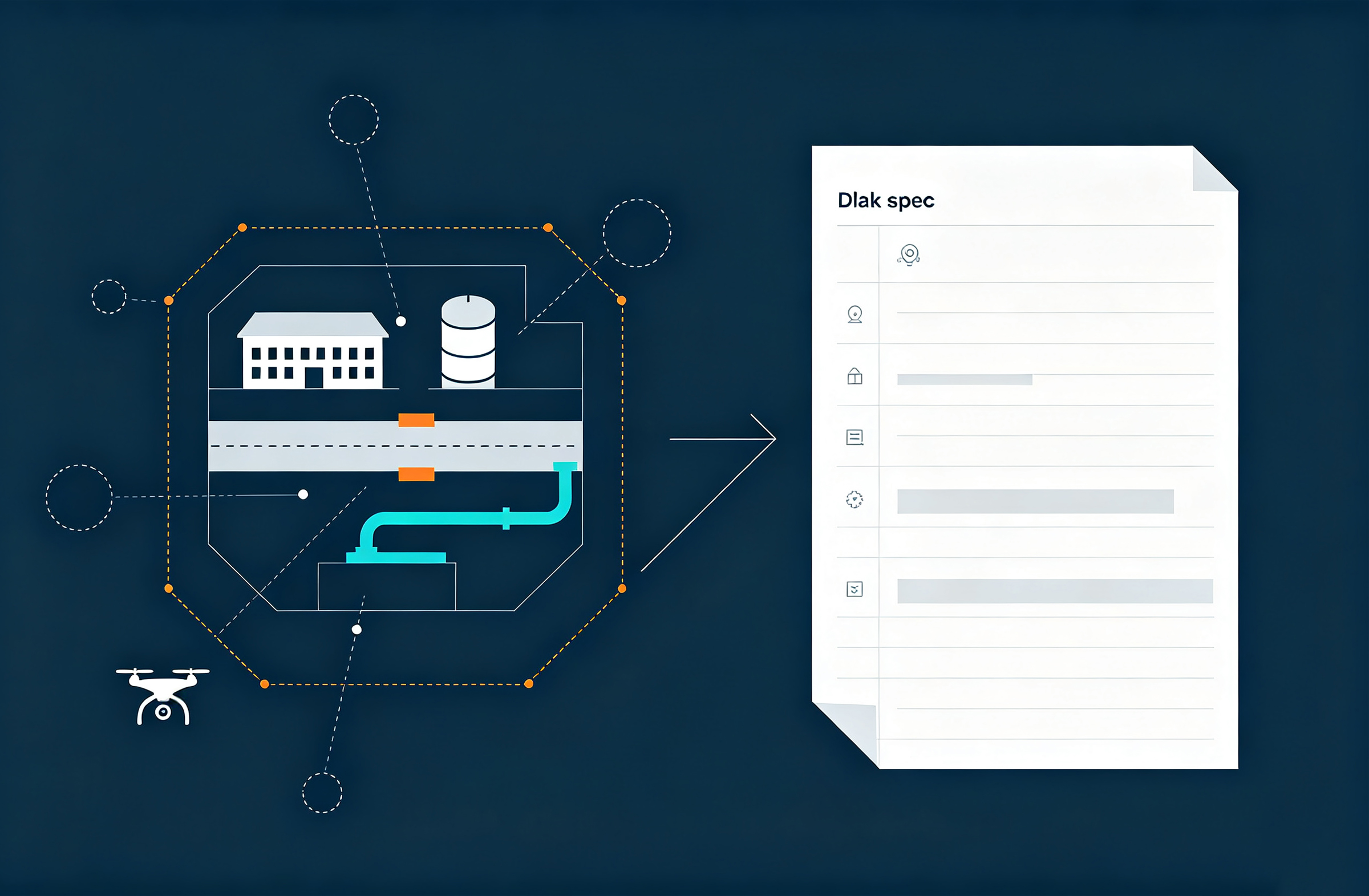
The first step is not a product decision. It is a description, and it is the step most buyers skip.
Write down what has to be protected, in physical terms. A single building behind a fence, a long pipeline, a stadium bowl that fills for one afternoon, a runway approach. Write down what has to be seen, and under what conditions: a small quadcopter at 200 metres, a fixed wing at two kilometres, a homemade machine with no standard radio link, at noon and at two in the morning, in clear sky and in rain.
The site and the threat decide the geometry of the system before any vendor is called. A site that cannot describe its own perimeter cannot buy coverage for it.
The difference between a described site and an assumed one shows up in the first vendor call. A buyer who can say “a small quadcopter over the tank farm at night” gets a specific answer. A buyer who says “we need drone protection” gets a catalogue. The second buyer has not finished step one, and every later step will be built on that vagueness.
Step Two: Choose the Detection Technology
Detection comes in three families, and each answers a different question.
Radio frequency detection is passive. It reads the link between a drone and its operator without transmitting, covers a wide band, and can be deployed while other approvals are still pending. Radar works in all weather and gives range and position whether or not the target transmits. Optical turns a detection into a visual confirmation, names what the object is, and produces the evidence a report needs.
The families are not in competition. A passive radio layer finds the aircraft, a radar layer holds it through weather, and an optical layer confirms it. The question for the buyer is which combination fits the site, and the answer usually starts with radio, because it is the layer a site can stand up first and without a licence.
Step Three: Decide Whether Response Is Necessary
The next question is whether the site needs to do anything beyond seeing, and it is a legal question as much as a technical one.
A passive detection layer can be deployed today. A response layer, whether it talks to the aircraft or overpowers it, has to be authorised, and the authorisation depends on the sector, the frequency rules and the jurisdiction. A site that cannot answer who is authorised to respond, under what rules, has not yet bought the response problem. It has only bought the detection problem, which is the one it can actually use.
Most civil buyers start with detection and add response only where the law and the site allow it. That is not a compromise. It is the order in which the two capabilities become usable.
A correctional facility can see a drone and record it today. It may not be authorised to act on it at all. A port can detect an aircraft over the water but may need a separate approval before any response near a shipping channel. In both cases the detection is the usable half, and buying the response first would have bought a capability the site could not legally turn on.
Step Four: Pick the Command Platform
The platform is where a collection of sensors becomes a system, and it is the part a buyer will live with longest.
A command platform should do four things: present every sensor in one picture, keep a record of every track and every decision, let a second site join without starting over, and stay usable by one operator at three in the morning. Those four tests matter more than any feature list, because the platform is the only part of the system that is in use every single day.
Buy the platform as the centre of the system, not as the last accessory on the quote. A platform that cannot extend to a second site turns every future site into a second purchase, a second screen and a second record.
The one operator test is the most honest. Take the console, hand it to a single person with a radio in the other hand, at three in the morning, and ask them to say what the system is seeing. If they cannot, the platform is not finished, no matter how many features the slide deck lists. A platform is not a dashboard. It is the place where a decision gets made, and the test of it is whether that decision can be made by one tired person.
Step Five: Agree the Acceptance and the Service
The last step is the one that decides whether the system still works in year three.
Agree, before signing, how the system will be tested on the site, what counts as passing, and what the supplier commits to when it fails. Agree how long tracks are kept, in what format they export, and what the site does when the network or the power drops. And agree what the service relationship looks like after commissioning, because a counter-drone system is bought once and operated for years.
A tender that skips acceptance and service is buying a delivery, not a capability. The delivery is the easy part.
The order of the five steps is itself the insight. A buyer who starts at step two, the technology, is already answering a question the site has not asked yet. A buyer who starts at step one and works forward rarely buys the wrong thing, because each step narrows the next one. The discipline is not process overhead. It is the difference between a system that fits and a set of impressive boxes that do not talk to each other.
The Five Questions That Separate the Field
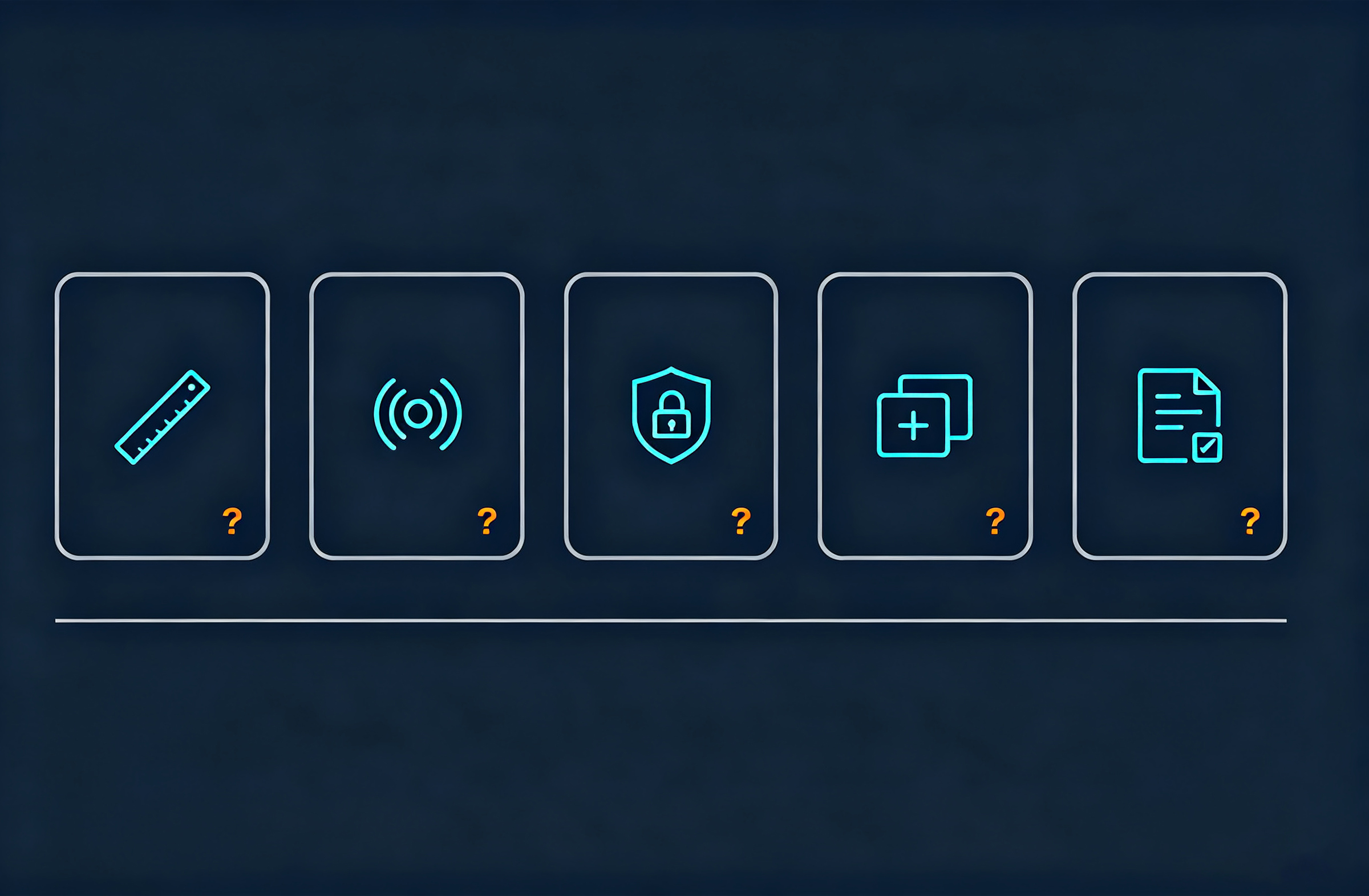
If a buyer has to start somewhere, these five questions will separate a supplier who understands the problem from one who is reading a brochure.
What does the site need to protect, in metres and in hours, not in feature names? What does the system do with a signal it has never seen before? Who is authorised to respond, and under what rules, and what does the system record about its own actions? Can a second site be added without a second system? And what happens when the system misses, in writing, and what does the supplier commit to?
The supplier who answers these plainly is the one whose equipment will still be answering for itself in year three.
Where LZ TECH Fits
We build the detection, the confirmation and the command layers, and we document them so a buyer can test them: parameter sheets that state the conditions behind each figure, a platform that records enough to reproduce a test afterwards, and portable and fixed lines specified separately because they are bought differently. The DF Series and D5-B cover the passive radio layer, VAR300 and T100 the confirmation, and CCS the record and the second site.
We would rather help a buyer work through the five questions than sell them the widest range, because the buyer who works through the questions is the one whose site is still protected when the warranties expire.
The Bottom Line
Choosing a counter-drone system is not about picking the longest range or the most channels. It is about describing the site, choosing the detection that fits it, deciding what response the law allows, and buying a platform and a test that will still answer for themselves in year three.
The buyer who does the five steps in order ends up with a system. The buyer who starts at the spec sheet ends up with equipment, and equipment is not the same thing.
Connect with us
Ready to Secure Your Low-Altitude Airspace?